
(825) 779 - 1188
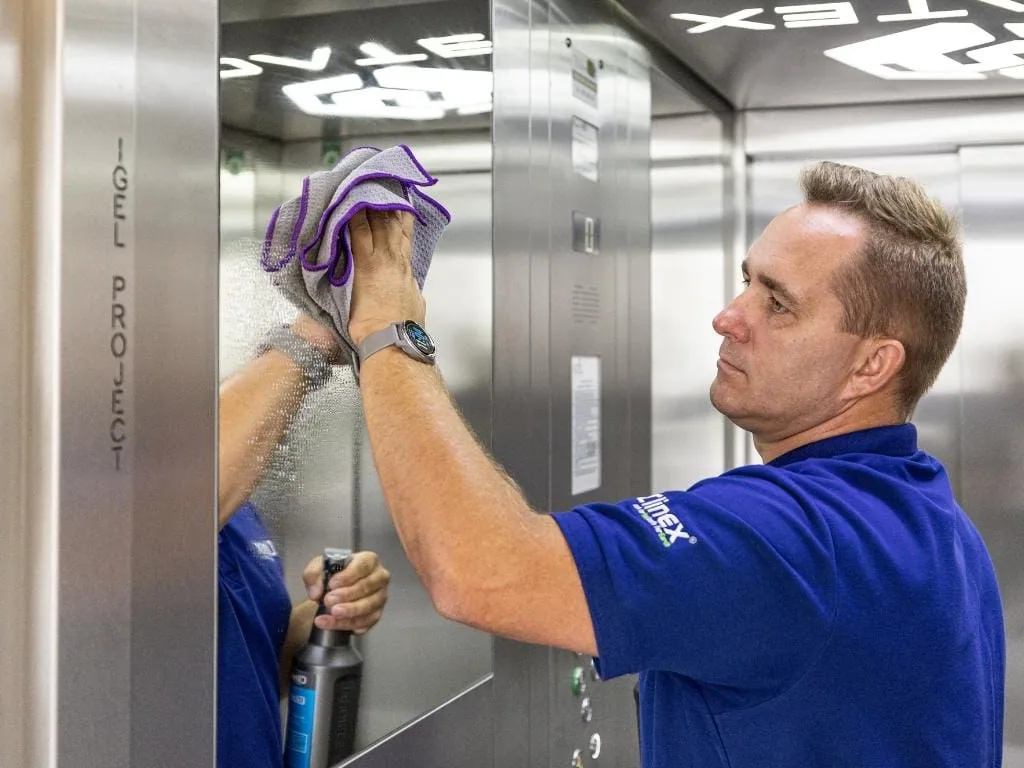
Hand marks can build up on stainless steel, glass and other smooth finishes.
Buttons and surrounding panels may collect fingerprints through regular use.
Corners, floor edges and visible gaps can hold dust that routine wiping may miss.
Shoes can bring small amounts of soil, grit and other debris into the cabin.
Fingerprints and cleaning marks can affect the clear appearance of reflective surfaces.
Regular contact can leave marks on rails and other frequently touched areas.
A well-kept living space can still have a lift cabin that needs more detailed attention.
A clean cabin can help the lift look ready for everyday use and home visits.
Private lifts in multi-level homes may need attention to cabin floors, doors, panels and handrails.
Lifts with decorative metal, glass or wood finishes may need care suited to their materials.
Compact home lifts can collect dust and fingerprints through frequent use between floors.
A residential lift may be used by several family members throughout the day, increasing the need for regular surface care.
Home lifts can form part of a wider access setup. Their visible surfaces should be kept clean without affecting their controls or operation.
A lift serving guest rooms or separate living spaces may need attention before visitors arrive.
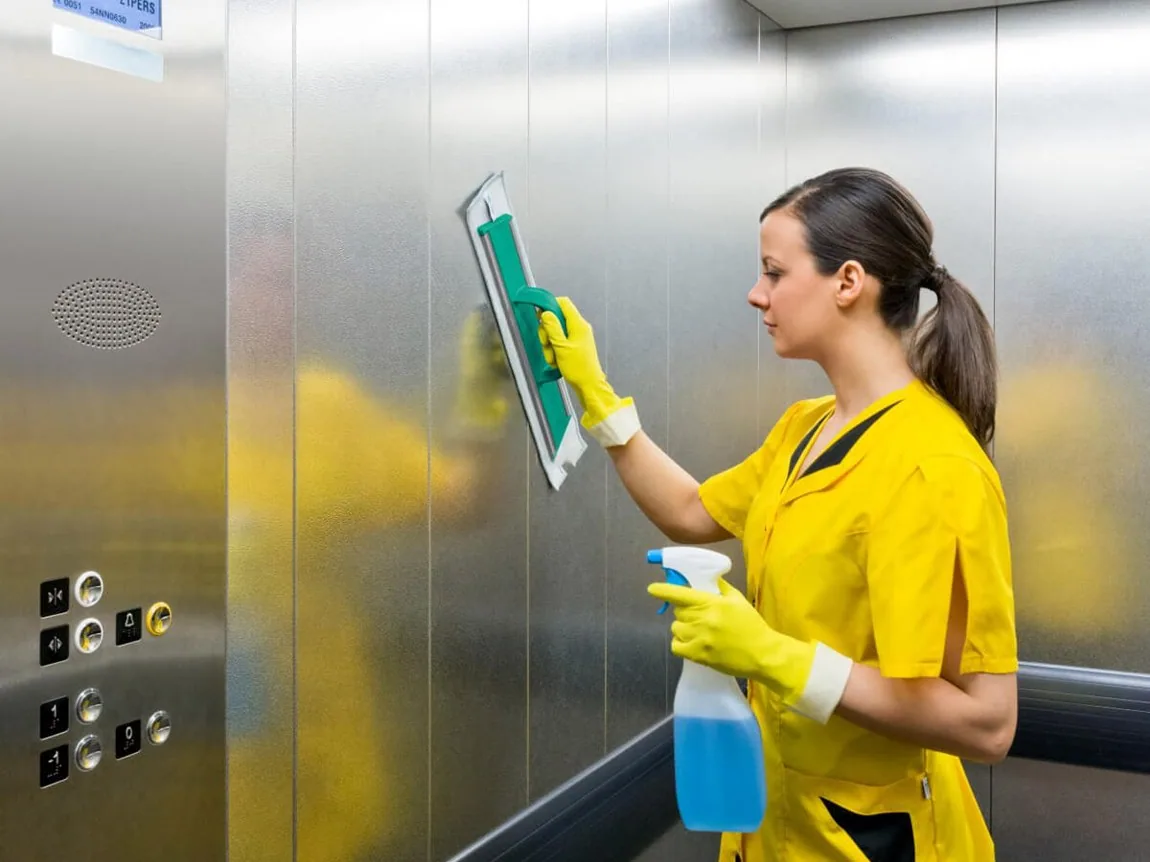
Remove suitable dust, smudges and surface marks from cabin walls and panels.
Clean visible metal surfaces with products and cloths suited to the finish.
Address fingerprints on suitable glass with professional window cleaning services.
Clean accessible door surfaces and visible marks without interfering with door operation.
Wipe and detail handrails to remove everyday marks and residue.
Carefully clean the outside of buttons and panels using a suitable method that keeps excess liquid away from electrical parts.
Remove loose dirt and clean the floor according to its material and care instructions.
Give attention to accessible corners, trim and other small areas that collect dust.
Review the cleaned surfaces for missed marks, residue and areas that may need further attention.
Regular detailing can remove suitable dirt and marks from visible cabin surfaces.
Using suitable products for each material can help avoid unnecessary wear from harsh cleaning methods.
Buttons, handrails and door handles can receive focused attention during the visit.
Cabin corners, floor edges and other accessible areas can be included in the cleaning plan.
Clean mirrors, doors and panels can help the lift look more in keeping with the rest of the home.
Homeowners can discuss how often the lift should receive attention based on household use.
The cleaning approach should suit the surfaces inside your home lift.
Buttons, trim, corners and handrails can be easy to miss during general house cleaning.
Discuss which visible surfaces are included before the visit begins.
Cleaning should avoid excess moisture and unsuitable products near controls and electrical parts.
The work can be discussed around private home layouts and household routines.
Cleaning does not replace lift servicing, repairs or inspections by a qualified elevator technician.
Step 1
Share the lift type, number of floors and general cabin layout.
Step 2
Mention whether the cabin has stainless steel, glass, mirrors, wood panels, carpet or hard flooring.
Step 3
Let us know about fingerprints, floor marks, dust, smudges or other visible concerns.
Step 4
Discuss the surfaces that can be included and any manufacturer care instructions you have.
Step 5
Choose a suitable time for the work and explain any household access needs.
01
We discuss the lift layout, visible finishes and areas that need attention.
02
We review the manufacturer's instructions and select suitable cleaning methods for each material.
03
We discuss access and any arrangements needed to keep household use separate from the cleaning work.
04
We clean the included cabin surfaces and touchpoints using suitable methods.
05
We check the completed areas and let you know if any marks or concerns need specialist attention.
Natalie
David
Joanne
It is the detailed cleaning of visible surfaces inside a private home lift. This may include cabin walls, doors, floors, mirrors, handrails and the outside of control panels.
The agreed work may include cabin surfaces, accessible trim, glass, mirrors, handrails, doors and flooring. The exact scope depends on the lift design.
Yes, suitable stainless steel surfaces can be cleaned with products recommended for that finish. Avoid abrasive materials and harsh chemicals.
The outside of buttons may be carefully wiped using a suitable method. Do not spray cleaning products directly onto control panels, as liquid can affect electrical parts.
They can be reviewed before cleaning. The product and method should follow the manufacturer's instructions for that particular finish.
No. This service focuses on visible cleaning. A qualified elevator technician must handle repairs, inspections and mechanical work.
These are technical areas and are not part of routine cabin detailing. Only qualified elevator professionals should handle them.
It depends on how often the lift is used, how many people are in the home, and how quickly surfaces collect marks and dust.
If available, it is helpful to share the guide. It can explain which products and methods suit your lift's finishes.
Contact Planet Services Group with your Richmond location, lift details and the surfaces you want cleaned. We can then discuss the work based on your requirements.