
(825) 779 - 1188
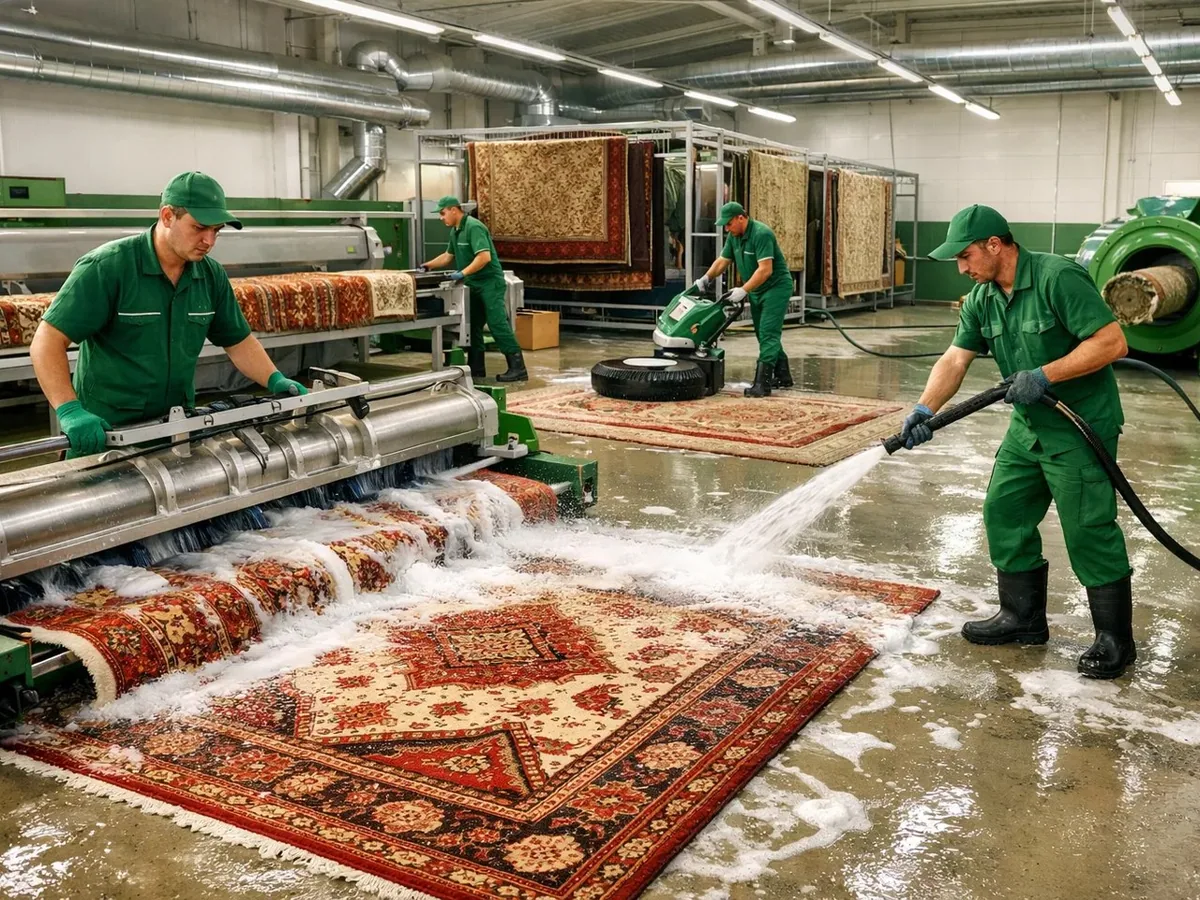
Dirt can settle between rug fibres, making colours look less clear even when the surface appears tidy.
Coffee, food and drink spills can leave spots that become harder to manage if treated incorrectly.
Food spills, moisture and everyday use can affect how a rug smells over time.
Loose threads, curled edges and damaged fringe may need careful attention rather than rough cleaning.
Parts of a rug under tables, near sofas, or along walkways may show more wear than less-used areas.
Older dirt and built-up dust may call for more than basic surface care.
Different fibres and dyes can react differently to water and cleaning products. Checking the rug first can help avoid damage.
Wool fibres need care suited to their natural texture. Consider the rug's condition, dye, and construction before cleaning.
Rugs made from materials such as nylon or polypropylene have their own care needs based on fibre type and backing.
Cotton rugs may absorb spills quickly. Their weave, colour and washing instructions should guide the cleaning approach.
Handmade pieces can have varied fibres, dyes and knots. Check their construction before any cleaning work.
These rugs have a different structure from deep-pile styles. Cleaning should suit the weave and backing.
Rugs placed in hallways, living rooms and dining areas may collect different types of dirt based on foot traffic and use.
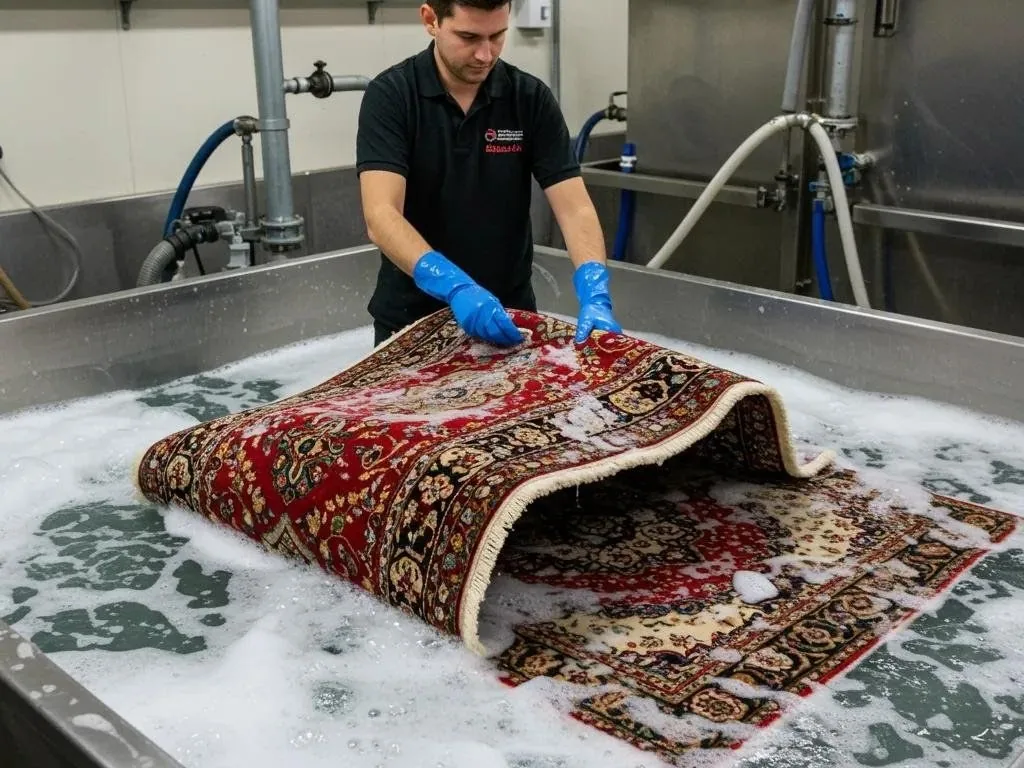
Identify the rug's material and construction to help guide suitable care.
Review marks from food, drinks, mud and other common spills before choosing a cleaning method.
Discuss carpet steam cleaning options where the rug material and care instructions allow.
Discuss smells linked to everyday use, spills or moisture and whether the rug is suitable for further treatment.
Review the condition of decorative fringe, seams and rug edges before cleaning.
Check the underside for wear, loose material or signs of damage.
Discuss simple care steps that may help reduce dirt build-up between professional cleanings.
Businesses can discuss cleaning needs for entrance rugs, office rugs and decorative pieces in shared spaces.
A suitable cleaning approach can help deal with dirt that collects through regular use.
Reviewing a stain before treatment helps determine which cleaning options may suit the rug.
Removing suitable dirt and residue may help improve the rug's overall appearance.
Consider the source of an unwanted smell before choosing a treatment.
Checking fringe, edges and backing helps identify parts that may need extra care.
Regular attention and suitable day-to-day care can help owners manage their rugs over time.
Discuss the fibre, weave and backing before deciding on a cleaning approach.
Explain whether your rug is handmade, flat-weave, wool or synthetic.
Point out stains, odours, worn edges or other issues that need attention.
Understand which tasks may suit the rug and which concerns need special care.
Discuss rugs found in homes, offices and other business settings.
Share photos and details of the rug to help explain its condition and cleaning needs.
Step 1
Tell us its size, material, colour and general style if known.
Step 2
Mention dust, spills, odours, worn fringe or any other issue you have noticed.
Step 3
Let us know if the rug is handmade, older, delicate or has been treated before.
Step 4
Review the information and discuss possible care options and next steps.
01
We begin with the rug type, size, material and intended use.
02
We discuss visible stains, colour, backing, fringe and any signs of wear.
03
We consider the rug's condition and the cleaning concerns you have raised.
04
We discuss an approach that suits the information available and explain any limits.
05
We review the agreed work and next steps before proceeding.
Helen
Peter
Susan
Wool, cotton, synthetic, flat-weave, handmade and other area rugs can be discussed.
Different fibres, dyes and backings can react differently to water and cleaning products.
They can be assessed. The result depends on the stain, rug material, age and any previous treatment.
The source of the smell should be reviewed before deciding which care options may be suitable.
Yes. Their fibres, dyes, knots and construction should be considered before cleaning.
Avoid rubbing the spot or using strong household products. Check the rug's care instructions and seek advice if you are unsure.
Yes. Their age, condition, fibre type and previous repairs should be discussed first.
Yes. Businesses can discuss cleaning needs for entrance rugs, runners and decorative area rugs.
Share the rug's size, material, location, visible stains and any care history you know.
Contact Planet Services Group with your rug details and cleaning concerns to discuss the next steps.